
On the Abuse of a Label, and the Diagnosis of a Soul

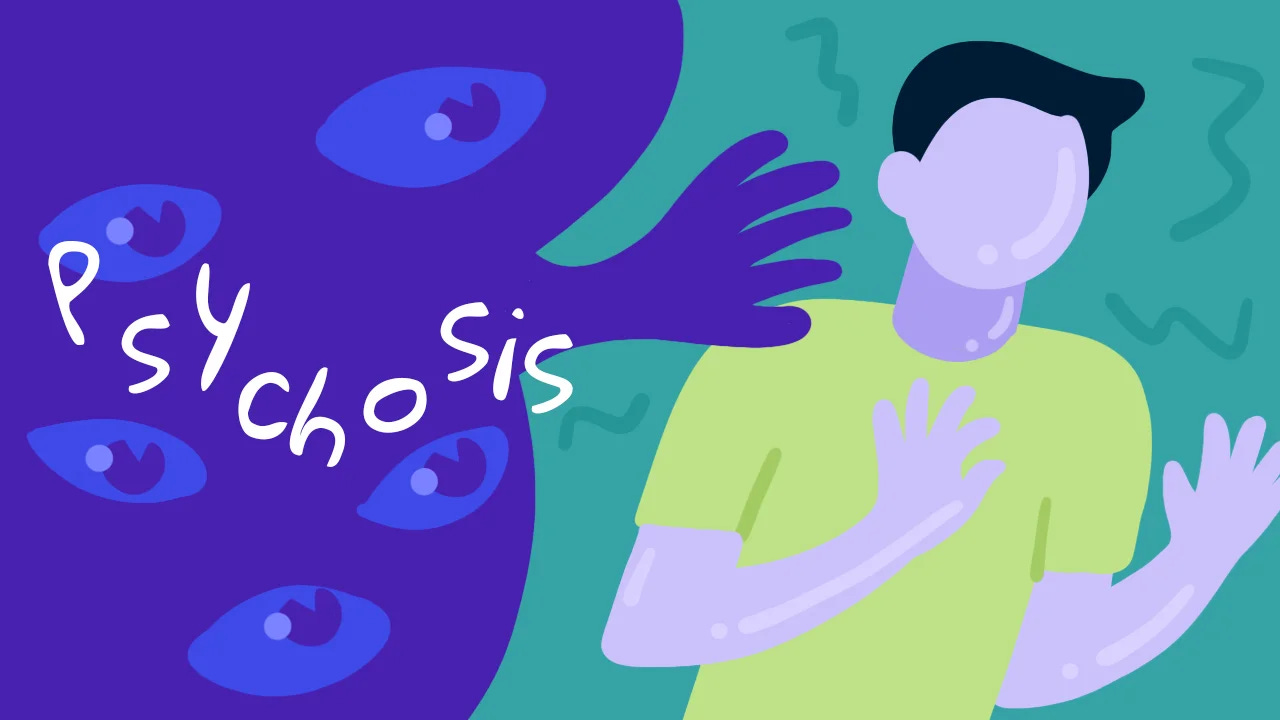
We live in a time addicted to diagnostics, from the simple aches of a weary body to the deep-seated spiritual malaise of a sin-stained soul, it is no surprise that we have come to treat even the most profound human struggles as mere medical categories. The modern psychological industry, in its insatiable drive to categorize and medicate, has made a cottage industry of affixing labels to human suffering. Chief among these, and perhaps most prone to abuse, is the term “psychotic.”
Casual chatter, the daily gossip of the unreflective masses, tosses the word about with the same casualness as one might accuse a friend of being “crazy.” A teenager’s hormonal outburst, a parent’s understandable frustration, a spouse’s unhinged outburst—all are now liable to be dismissed as “psychotic.” This trivialization is a symptom of a far deeper problem. It is a sign that we have become so dependent on the therapeutic gaze that we have forgotten how to speak of sin, of fleshly weakness, and of the profound spiritual disorientation that plagues us all. When every irrational act is simply a malfunction of the brain, the category of moral responsibility vanishes, and with it, the need for repentance.
But the abuse is not merely a matter of common speech. It has seeped into the very foundations of the psychological enterprise. One can readily find instances where “psychosis” is diagnosed not on the basis of genuine, un-ignorable disorientation, but on the back of subjective and often arbitrary criteria. What one clinician labels a “delusion,” another might simply see as an eccentric belief. What one calls a “hallucination,” another may chalk up to an overactive imagination or a powerful memory. The line between what is a “disorder” and what is a normal, albeit unsettling, human experience has become dangerously blurred.
This is where the Christian mind must intervene. We must recognize that this overreach is not simply a matter of bad science, but a theological miscalculation. When the psychological establishment seeks to diagnose a “disorder,” it is often usurping the role of the Bible, which speaks of a deeper reality. We are not simply bodies with malfunctioning brains, but souls created in the image of God, now fallen and broken by sin. The disquietude that some label “psychosis” may indeed be a manifestation of physical ailments, and we do not deny God’s common grace in allowing secular men to observe the patterns of human affliction. But the spiritual root of our fallen condition is the ultimate concern.
We must reserve the right to ask hard questions; to get to the root of a person’s story, so that “all the facts may be known”. This means asking about the heart, not just the head. It means not simply accepting a label but looking at the biblical categories of sin, conscience, and spiritual warfare. For what secular psychology calls a “disorder,” the Scriptures might call “the futility of their thinking” (Eph. 4:17). The man who rejects biblical truth is, in a very real sense—in the realest sense even—perpetuating a kind of spiritual insanity; his mind is darkened, and this darkened state will always make people go “crazy.”
The danger of an overused and misapplied diagnostic label like “psychosis” is that it provides a cheap out, as many do. It offers a pharmacological or therapeutic solution for what is, fundamentally, a spiritual problem. It gives both the individual and the community a way to sidestep the difficult conversation about sin and sanctification. It turns the church’s ministry of Word and sacrament into a secondary, and often unnecessary, afterthought.
Let us be careful, therefore, not to give too much ground to the spirit of the age. Let us use the term “psychosis” with the gravity it deserves, for those rare instances where profound and observable dis-reality is present. But let us not allow it to be abused, either by the thoughtless chattering class or by the overzealous diagnostic industry. Let us remember that the soul is our primary concern, and that its ultimate cure is not in a pill or a label, but in the Word of God and the saving power of Jesus Christ.