Easter 2026
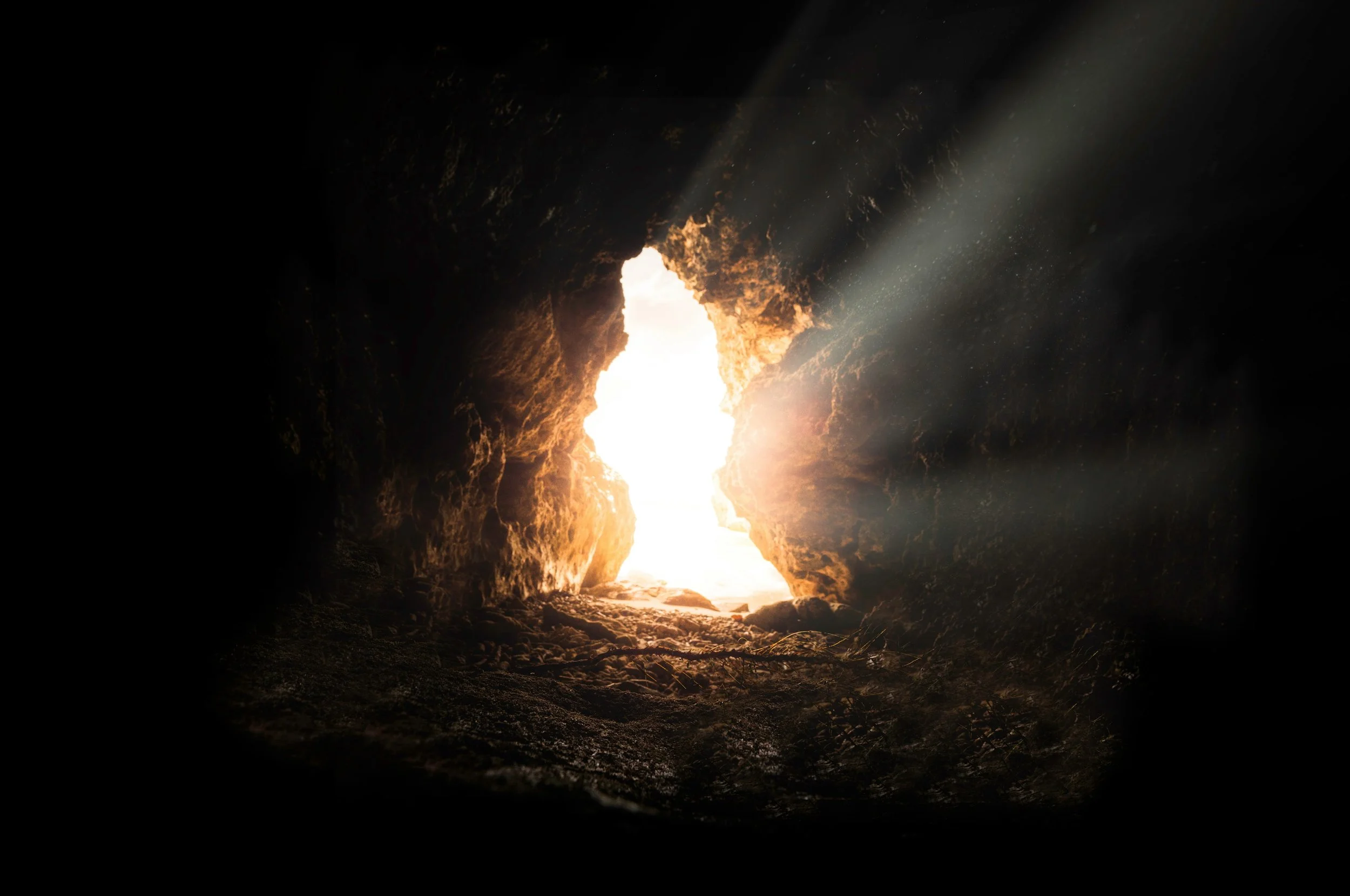
Every year, the church walks the same road together; the same road our Lord walked nearly 2000 years ago. Each year, the church retraces the final week of our Lord’s earthly ministry—we call it holy week, or Passion Week. This week begins in triumph, moves through betrayal and death, and finally erupts in the glory of the resurrection of Jesus Christ.
Holy week begins on Palm Sunday, which was last Sunday. Christ enters Jerusalem in his triumphal entry as the promised King. The crowds cry out, “Hosanna! Blessed is He who comes in the name of the Lord.” The crowd lays down palm branches before Him as He rides in on a donkey to fulfill the prophecy about the Daughter of Zion receiving her King, and Israel, in fact, does receive her Messiah and King.
In this scene, Christ comes not as a conquering general waving a sword, leading a battalion, but as a humble Lord ready to sacrifice for his people. The people expected a political leader who would deliver them from Rome's oppression. But God had something far greater in mind; an enemy far more heinous to defeat. The Father had sent the Lamb to conquer death, abuse the grave of its power, and take away the sin of the world, and yes, to slowly conquer the earth.
In the days that followed Palm Sunday, Christ would confront the disgusting corruption of Israel. He would cleanse the temple of idolatry by overturning the tables of the money-changers and the seats of those who sold pigeons for sacrifice. He would expose the hypocrisy of the religious leaders by denying their legitimacy, revealing their disobedience, casting his infamous woes upon them, displaying their lack of fidelity to God and Abraham, and prophesying the destruction of Jerusalem. The tension rose; hatred grew; and the leadership of Israel rejected their King.
Then comes Maundy Thursday. The word Maundy comes from the Latin mandatum, meaning “commandment.” This is significant because it was after Jesus and the disciples finished the Last Supper that Jesus washed the disciples' feet. And after he finished, he said to them: “A new commandment I give to you, that you love one another: just as I have loved you, you also are to love one another. By this all people will know that you are my disciples, if you have love for one another” (John 13:34-35). On this day, Christ gathers with His disciples and institutes the Lord’s Supper. Bread and wine—His body given and His blood shed. In that meal, Christ explains the meaning of what is about to happen. His death will not be an accident of history. It will be a covenant sacrifice so that salvation may come to those who would put their faith and trust in Christ and partake of his body and his blood.
That same night, the betrayal begins. Judas is filled with Satan, and quickly exits the supper and betrays the Lord of glory for 30 pieces of silver. After this, Christ and the disciples went out to the garden. And in that garden Christ prays while His disciples sleep, and so begins his time of loneliness. In that garden, we see the weight of what lies ahead for Christ. The cup before Him is the cup of God’s foaming wrath—the judgment deserved by sinners—the cup only the God-man could drink. Christ willingly submits to the will of the Father despite his deep and abiding agony. The second Adam obeys, right here, where the first Adam failed.
Then comes Good Friday. We call it good, not because we are thrilled that Christ died, but because through his death came redemption and forgiveness of sins. His death was the turning point that led to the resurrection on Easter. On Good Friday, the Son of God is arrested, mocked, beaten, whipped, spat upon, lied about, forsaken, and condemned. False witnesses accuse Him. His own people reject him. Political leaders refuse justice. A murderer is loved more than the beloved. Pilate hands Him over to his accusers. And the crowd cries out for His death.
Beaten and weak, Christ carries his cross up to Golgotha–the place of the skull–and there, on the Roman cross, the greatest exchange in history takes place. On that tree Christ bears the curse of the law. He receives in his body and soul the condemnation deserved by unrighteous Israel and ever-sinning Gentile that ever lived and would ever live. The wrath of God against sin falls upon Him. Isaiah tells us that the Lord laid on Him the iniquity of us all. Paul tells us that He became sin for us so that we might become the righteousness of God in Him.
This is substitution. This is atonement. This is an imputation. The righteous dying for the unrighteous. And when Christ’s sufferings had been complete, our Lord cried out, “It is finished.” The debt of sin is paid. The sacrifice is complete. Nothing remains to be added.
Then comes Holy Saturday. The body of Christ lies in the tomb. The disciples are scattered. Everything appears lost. The Messiah is dead. Hope is buried. But what looks like defeat is only the silence before the greatest victory in history. Because on the third day, (Easter/Resurrection Sunday) the stone is rolled away. Christ rises from the dead. And this is what we remember and celebrate today–Christ’s victory over all his enemies and bringing man's sons and daughters to himself!
The resurrection is not simply the happy ending of the story. It is the divine confirmation of everything Christ accomplished. Scripture tells us that Christ was delivered up for our trespasses and raised for our justification. That means the resurrection is God the Father declaring to the world that Christ's sacrifice has been accepted. God accepted his payment for the sins of the world; it was sufficient. The work of redemption is complete.
If Christ had remained in the grave, we would have no assurance. But when Christ rose, God publicly declared to the world that sin has been conquered, death has been defeated, and the righteousness of Christ now belongs to all who believe.
The empty tomb is heaven’s declaration that sinners can be justified. Not because we are righteous. Not because we deserve it. But because Christ lived the life we could not live, Christ fulfilled all righteousness, Christ died the death we rightly deserved, and rose again to secure our justification.
This is why the resurrection changes everything. Death is no longer the final word. Sin is no longer master. Satan is no longer victorious–but rather he is bound. Christ reigns. Christ is King. Christ is Lord!
The King who entered Jerusalem on a donkey now reigns at the right hand of the Father. The Lamb who was slain now lives forever. And because He lives, those who belong to Him will live also.
So what does this mean for us? It means the Christian life is lived in the hope of resurrection.
When you struggle with sin—Remember, Christ is risen and has conquered your sin.
When the world seems dark—Remember, Christ is risen and has overcome the world.
When death itself approaches—Remember, Christ is risen and will give you new life and bring you to himself.
The victory has already been won. And now the church is on a mission to tell the world about their rightful King, so that they may also worship him. So today, we do not merely remember the resurrection. We proclaim it with boldness and a stiff upper lip. Christ is risen, and He is Lord of all.
Amen.