This is a work in progress. More will continue to be added.
Trusted Resources
The Twelve Days of Advent
The Twelve Days of Advent is a podcast created by one of our writers, John Fry, to help Christians who celebrate or observe Christmas focus this season, once again, on its intended purpose: the glorious praise of our Lord, Jesus Christ.
Biblical Texts To Memorize For Counseling
This file presents roughly 100 texts from the bible that are useful for counseling and various situations you or others may find themselves in.
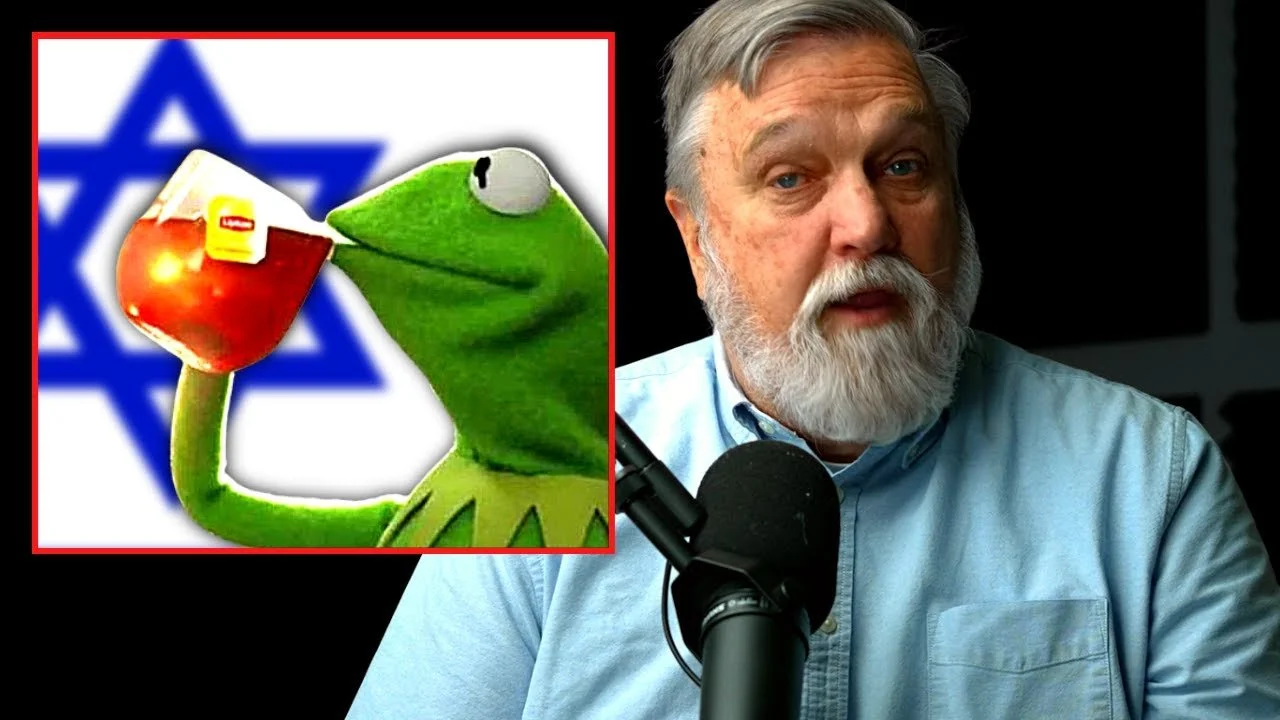
At the heart of Wilson's thesis is the claim that unbelieving Jews remain connected to Abraham covenantally, albeit in a negative, distorted form. In his AmeriFest remarks, he stated: "If these people covenanted with the God of Abraham in the Middle Ages and they’ve been living that way for centuries, then they’re in covenant, they’re in that covenant." Notice his words, which were deliberate and deceptive.
My bold and confident assertion is that certainty provides structure and form while transcendence provides oxygen and life. In our modern context, life is saturated with casualness. People wear sweat suits to important events and flip flops to church, when only 100 years ago, day laborers commonly wore full suits, including jackets, vests, and ties, to work.
When it comes to the book of Ephesians, we can quickly, and often errantly, jump to the commands of chapters 4-6 without first being informed, equipped, challenged, and comforted with the works of Christ on our behalf that enable us to rise in obedience to the commands of chapters 4-6.
N.T. Wright is an Anglican Bishop and a New Testament scholar. He is famous for saying many things, but the thing that he has said that has sparked this particular article is the following: “Wherever St Paul went, there was either a riot or a revival. Wherever I go, they serve tea.”
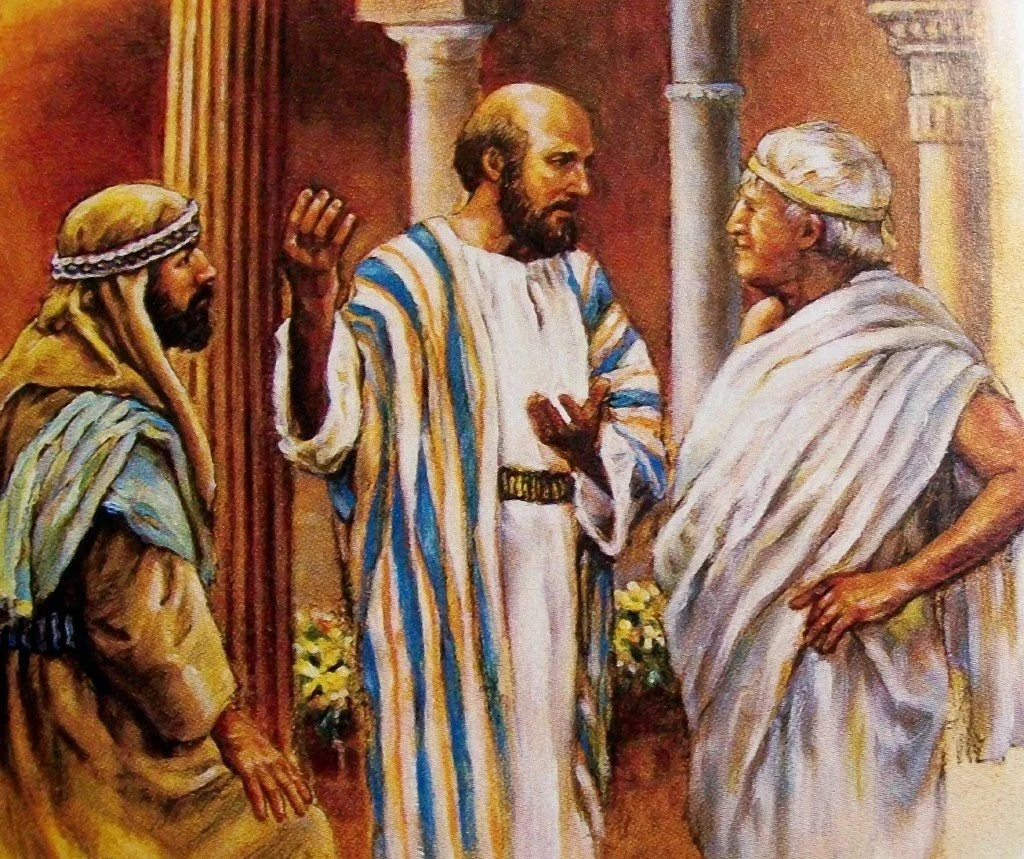
The apostle Paul takes up the same theme with unmistakable clarity. For him, the children of Abraham are not those who share Abraham’s bloodline, but those who share his faith-line of Abraham. He writes that “those of faith are the sons of Abraham” (Galatians 3:7) and that “not all who are descended from Israel belong to Israel” (Romans 9:6).
Who is my neighbor? Biblically speaking, your neighbor is not defined by universal sentiment, but by proximity, providence, and priority. God shows us the Ordo Amoris, not to make us intolerable jerks, but to actually provide true, heartfelt, compassionate care for people. Only when you are near someone can you actually care for them.
Scripture does not allow us to imagine covenantal relationships as disposable. Marriage, after all, is the great earthly icon of Christ’s unbreakable union with His Church (Eph. 5:31–32). God says plainly, “I hate divorce” (Mal. 2:16), not because every marriage is easy, but because covenant-breaking is violent.
And we are indeed a people who need this reminder. We are so prone to judge by appearances. When we see weakness, we assume defeat. When we see suffering, we assume God is absent. But the Transfiguration teaches us that humiliation does not nullify glory. The cross will not revoke Christ’s kingship. The One who will be lifted up in shame is the same One whose face shines like the sun.
Faithful creeds, confessions, and quotes are doing the same work a preacher does; they are explaining, illustrating, and applying the authoritative Word of God. The difference in Scripture and the preacher, the creed, the confession, Charles Spurgeon, John Calvin, John MacArthur, Steven Stanley, and John Fry is that we can err, and the Scripture does not.
Those who you would expect to be the most supportive seem to always find the most superficial and insignificant reasons to belittle and spurn the faithfulness of their prophets. These things should not be.
In John 4, Jesus draws from the well of himself and, by the will of God through belief in the Messiah, distributes the new birth leading to eternal life sumptuously to many Samaritans.
In the days that followed Palm Sunday, Christ would confront the disgusting corruption of Israel. He would cleanse the temple of idolatry by overturning the tables of the money-changers and the seats of those who sold pigeons for sacrifice. He would expose the hypocrisy of the religious leaders by denying their legitimacy,